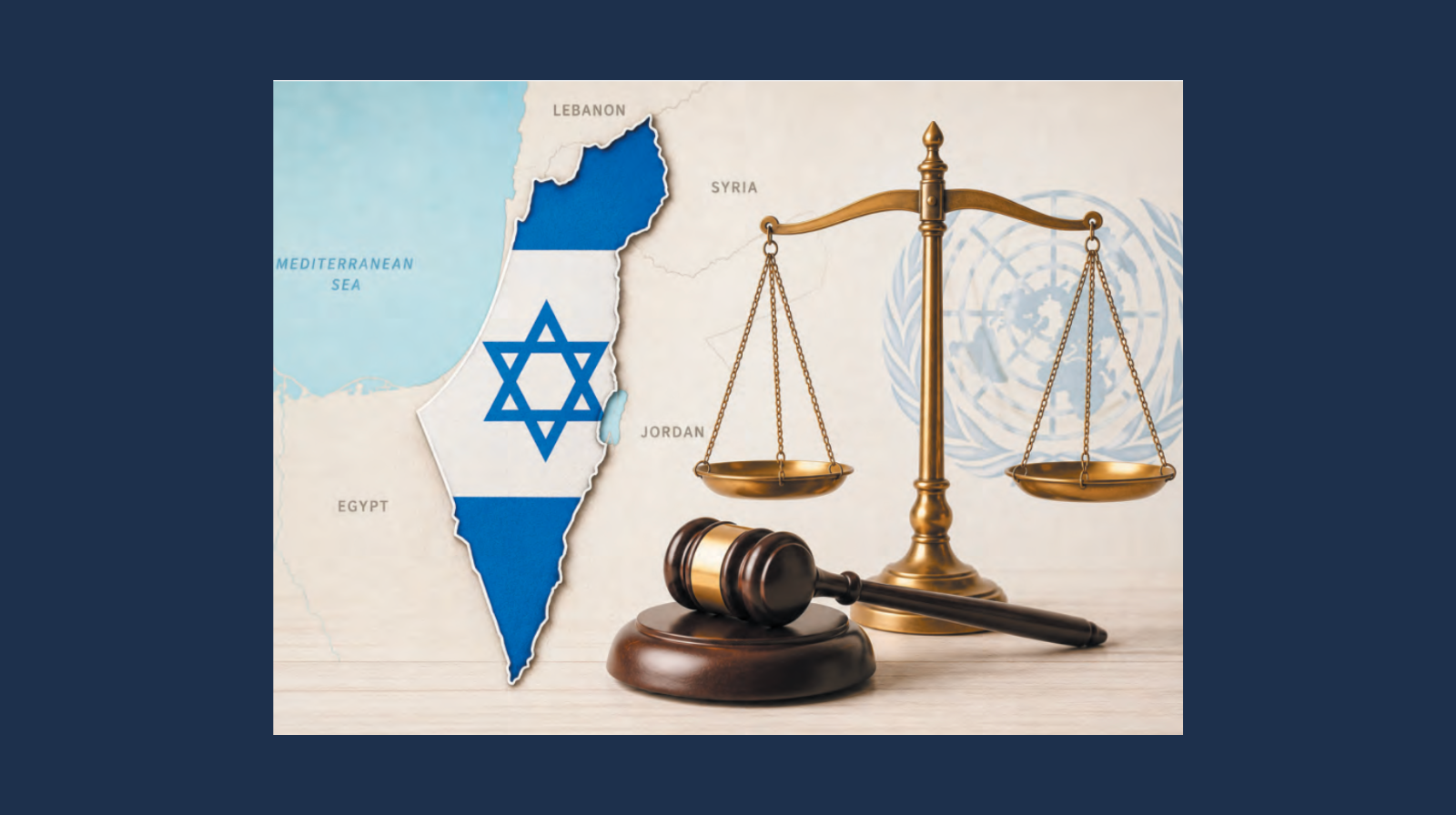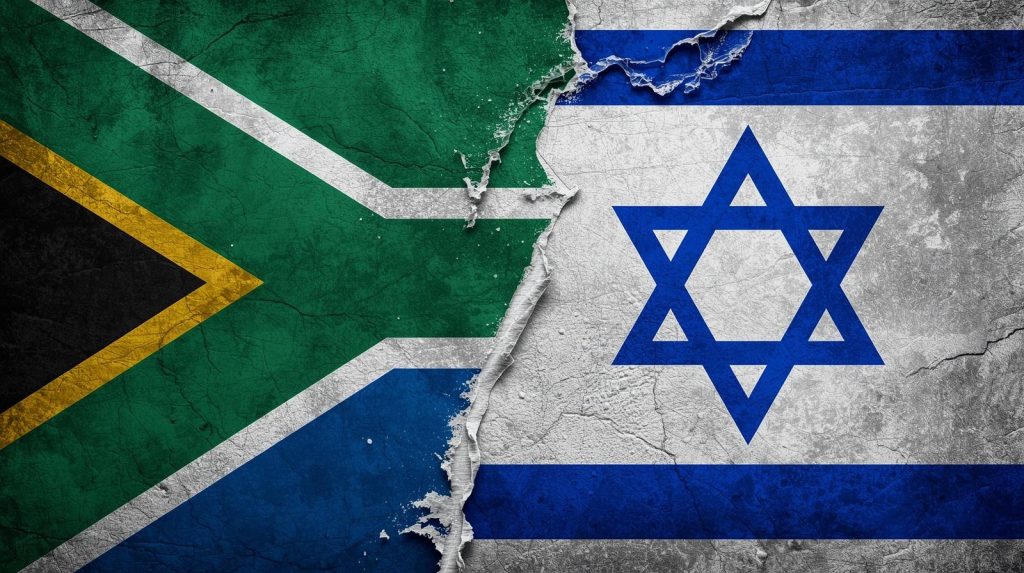
The ICJ proceedings in South Africa v. Israel have drawn an unprecedented number of state interventions, reflecting the case’s growing geopolitical and legal significance. A broad coalition of countries — including Spain, Ireland, Turkey, and several Latin American states — has intervened in support of South Africa’s interpretation of the Genocide Convention, while a smaller group, including the United States, Fiji, Paraguay, and Hungary, has taken a more cautious or opposing stance. Although formally framed as legal interventions on treaty interpretation, these filings increasingly mirror geopolitical alignments, turning the case into a key arena for contesting the scope and application of international law itself.
—-
The proceedings at the International Court of Justice in South Africa v. Israel are increasingly illustrating a broader and more concerning trend: the use of international legal mechanisms as instruments of geopolitical pressure. The unprecedented number of state interventions — many of which go beyond neutral treaty interpretation — reflects how the Genocide Convention is being invoked in a highly politicized context. Rather than clarifying legal standards, the process risks stretching core concepts such as genocide, proportionality, and self-defence beyond their intended scope.
This growing wave of interventions highlights the challenges facing international law in the so-called “grey zone,” where legal frameworks are tested by hybrid threats, transnational actors, and strategic narratives. While the Court has yet to address the merits, the proceedings themselves have already become part of a wider contest over the interpretation and legitimacy of international law. In this sense, the case is not only about legal accountability, but also about the resilience — or vulnerability — of the international legal system to forms of modern lawfare.
—
Recent developments at the International Court of Justice (ICJ) in the case brought by South Africa against Israel under the Genocide Convention have been marked less by substantive rulings and more by procedural expansion. The proceedings have attracted an unusually high number of third-party interventions, with multiple states formally joining the case under Article 63 of the Court’s Statute. This growing wave of interventions reflects the broader geopolitical and legal significance the case has assumed beyond the immediate parties. Article 63 entitles other state parties to the Genocide Convention to intervene in the case in the event the construction (interpretation) of the Convention is in question.
At the same time, the case continues to advance through its written pleadings phase. South Africa submitted its memorial in October 2024, while Israel filed its counter-memorial in March 2026 after several extensions granted by the Court. These submissions — running to thousands of pages — remain confidential at this stage, underscoring that the proceedings are still in an early, largely procedural phase, with substantive hearings likely to take considerable time.
Importantly, the ICJ has not ruled on the merits of the genocide allegations. Its earlier orders were limited to provisional measures, recognizing that Palestinians have a “plausible right” to protection under the Genocide Convention, while requiring Israel to take steps to prevent genocidal acts and facilitate humanitarian assistance. A final determination on whether genocide has occurred is widely expected to take years, reflecting the high evidentiary threshold required to establish genocidal intent.
Overall, the case has evolved into a focal point of international legal and political debate. The growing number of interventions, the scale of submissions, and the extended procedural timeline all highlight the complexity of adjudicating such claims within the framework of international law — as well as the broader tensions between legal processes and ongoing geopolitical realities.
Key Takeaways from the state interventions to the ICJ case:
- The case has attracted an unusually large number of state interventions, making it one of the most politically charged ICJ proceedings in recent decades.
- Many of the lawyers representing The Gambia in its current proceedings against Myanmar are also representing South Africa in its case against Israel – suggesting that the two cases are interrelated. This is an issue that requires further investigation.
- A broad coalition of states has intervened in support of South Africa’s legal framing, while a smaller but significant group is pushing back or offering more restrictive interpretations of the Genocide Convention.
- Many interventions are formally neutral but functionally reflect geopolitical alignments, highlighting how the case has evolved into a major arena for contesting the interpretation of international law itself.
Application of the Convention on the Prevention and Punishment of the Crime of Genocide in the Gaza Strip (South Africa v. Israel) a the ICJ – Application of the Convention on the Prevention and Punishment of the Crime of Genocide in the Gaza Strip
written and edited by thinc. members