By Andrew Tucker
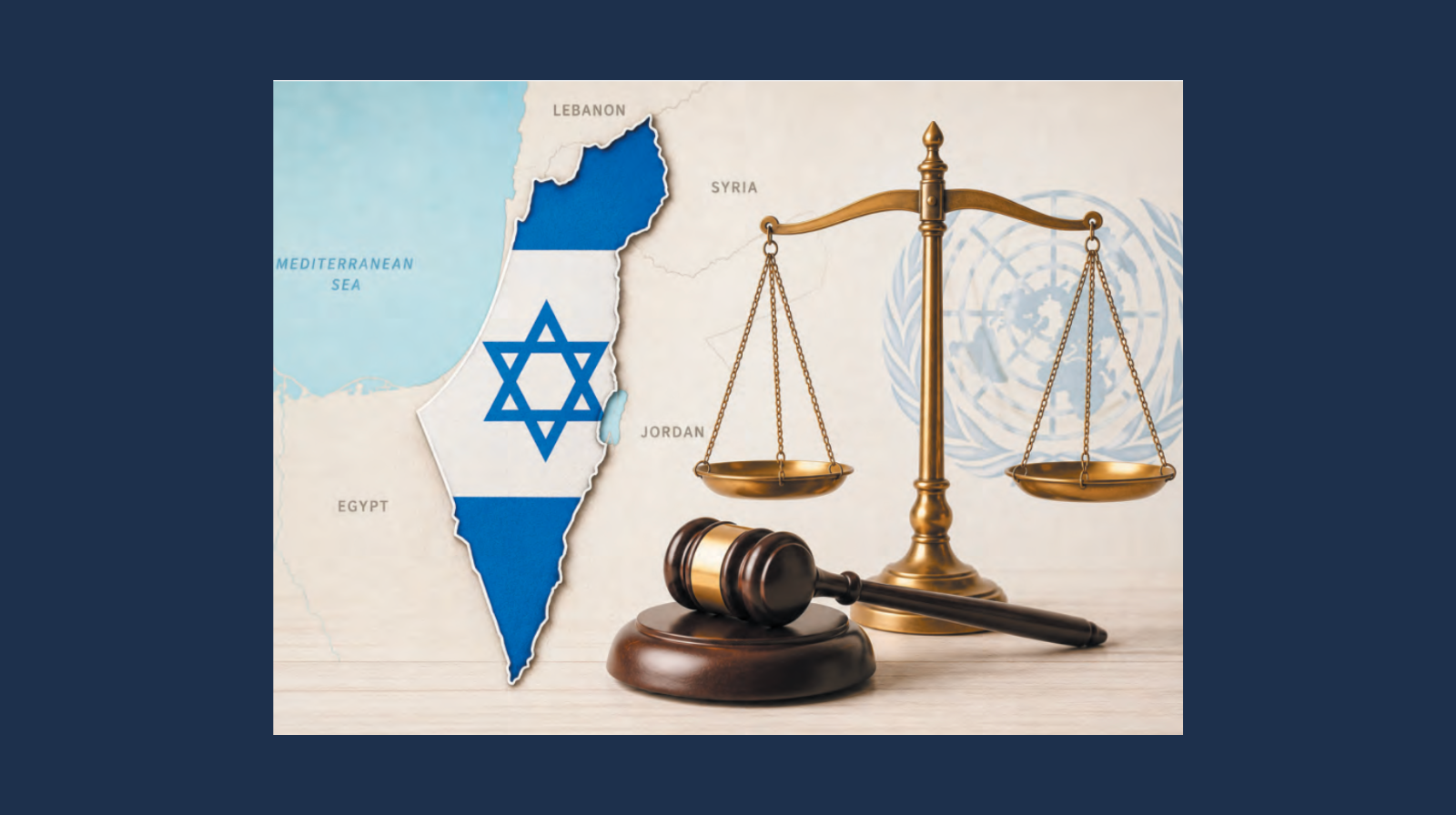
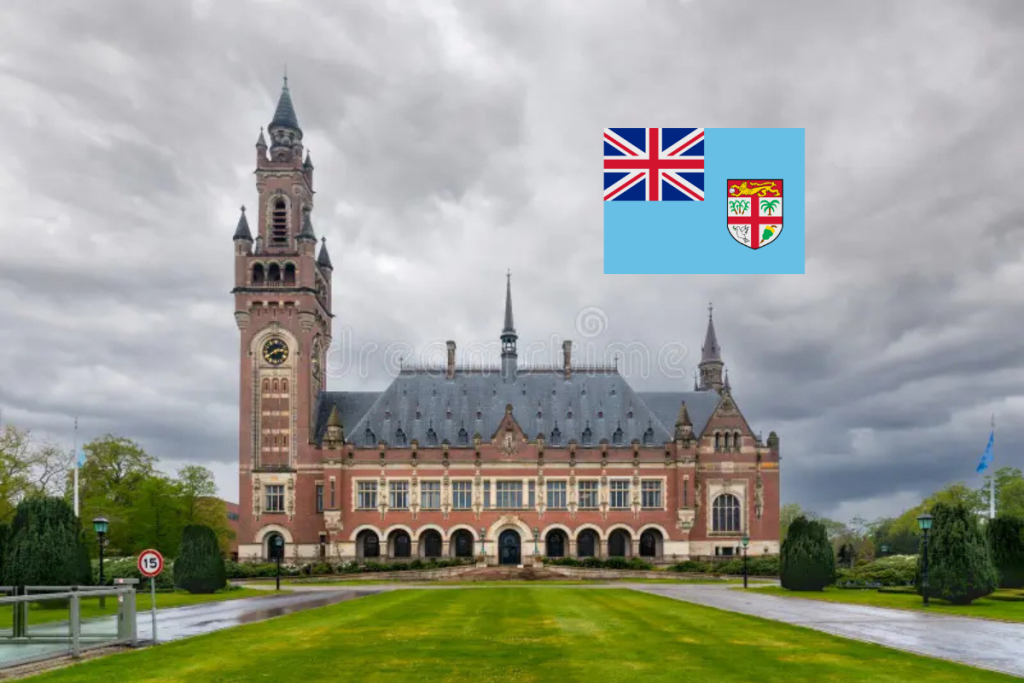
The Republic of Fiji has submitted a Declaration of Intervention to the ICJ in relation to the proceedings South Africa vs Israel. Fiji opposes the “holistic” approach advocated by states who intervened in support of South Africa (like Netherlands, Spain, Belgium and Ireland).
Fiji’s approach is aligned with those of other states who have intervened in support of Israel: U.S., Hungary and Paraguay.
In essence, Fiji argues that South Africa bears a very high burden of proof. It must prove beyond reasonable doubt that the only possible explanation of Israel’s activities in the Gaza Strip was an intention to destroy the Palestinians in Gaza as a people.
Fiji’s considers the approach advocated by South Africa as very dangerous for states who may in the future become engaged in counter-terrorism operations:
“The Court has never been called upon before to define the scope of the Convention in the context of intense urban warfare…. The war between Hamas and Israel raises specific issues concerning combatants embedded within civilian infrastructure, the use of civilian shields, civilians directly participating in the hostilities, civil-military dual use objects and especially combatant strategies employing massively amassed civilian shields.
This situation comes before the Court as a novel problem in application of the Genocide Convention… The Court’s interpretation and application of the Genocide Convention in the context of urban armed conflict, and especially concerning an apparent strategy of deliberate use of civilian infrastructure for the conduct of hostilities in order to maximise civilian casualties if the opponent defends itself, will have considerable implications for the conduct of armed conflicts by States anywhere in the urbanised world. It is Fiji’s concern that a more lenient and expansive interpretation of the Genocide Convention, as proposed by South Africa and certain states and NGOs, will endanger future peacekeeping operations and participation by States in legitimate urban warfare operations by diminishing the incentive for States to assist therein.
For example, if a State were willing in principle to participate in an international peacekeeping force, for instance to disarm a terrorist organization, but were thereby to become vulnerable in this scenario to genocide charges brought by the organisation’s supporting States, then the peacekeeping State would be reluctant to volunteer its military forces. This outcome would impair both peacekeeping operations and could seriously impair the integrity and purpose of the Genocide Convention.”
In Fiji’s view, in order to be faithful to the spirit and letter of the Genocide Convention, the Court should take the following approach:
- under the Genocide Convention, South Africa bears the burden of proof. It must prove that Israel has the intention to destroy the Palestinian people as such. The intent to commit genocide must be proven “beyond reasonable doubt” – this is a criminal law standard – and it must prove that this intention is the ONLY POSSIBLE explanation for the IDF’s actions in the Gaza Strip.
- The court must interpret and apply the Genocide Convention in a normal manner and reject the “holistic” approach promoted by Amnesty International, Netherlands, UK, Spain, Ireland, Belgium and others.
- The court should not blindly accept the content of UN reports. In fact, the court should treat UN reports with great skepticism, as they are often based on unverifiable sources. Most UN organizations are not intended, and are completely incapable, of analyzing complex military situations.
- The court must recognize that it is not equipped to analyze and assess complex military actions itself, let alone highly complex urban warfare situations.
- Military reports, and in particular reports such as “After Action Reviews” prepared by independent military bodies, must be given considerable weight.
- The Court must treat evidence that Israel intends to comply with international humanitarian law, and that it largely does so, as important evidence that there is no “intention” to commit genocide.
- Reports prepared by NGOs such as Amnesty International should not be taken seriously by the Court in any case.
- Armed fighters and members of terrorist organizations such as Hamas are not protected by the genocide convention.
Conclusion
Fiji’s intervention in the South Africa vs Israel proceedings at the ICJ raises issues that go to the heart of international justice and highlight the vulnerability of the ICJ as an independent judicial institution.
Increasingly, the Court is being pushed by states to advance certain legal reasoning that supports the ideological position of those states. The matter is compounded in the context of Genocide Convention by the fact that the Court is simply not equipped to deal with the highly complex evidentiary issues involved in determining whether or not a state has complied with its obligation under the Convention to “prevent and punish” genocide. It is to be hoped that the Court will seriously consider the detailed arguments raised by Fiji’s legal counsel.